From Door to Chair: A Nervous Patient's Guide to a Routine Dental Check-Up
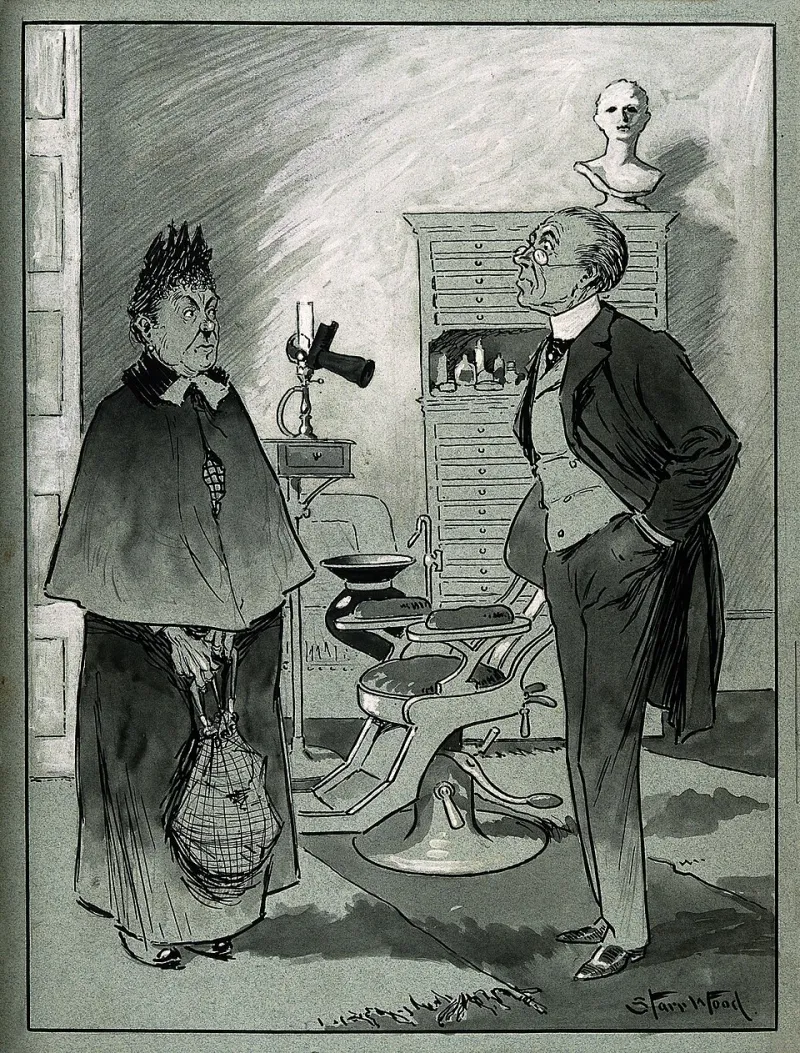
Photo: Starr Wood, CC BY 4.0, via Wikimedia Commons
Many adults in the UK put off dental appointments for years. The reasons are rarely trivial: a bad experience in childhood, a strong gag reflex, fear of pain, worry about cost, or simply the embarrassment of admitting how long it has been. If that sounds familiar, it may help to know that a routine check-up is usually calmer and more conversational than memory suggests. Nothing happens without explanation, and you can ask for a pause at any point.
This is a step-by-step walkthrough of what happens at a typical NHS dental check-up, from booking to leaving, with practical suggestions for making the visit feel manageable. It is written for nervous patients, but it may also help anyone who simply wants to know what to expect.
Before you book
The first step is the hardest for many people: making the call. You do not need to explain your whole history to the receptionist. A short sentence is enough: 'I am quite anxious about dental appointments. Is there anything you can do to make the first visit easier?' Many practices can offer a longer appointment, a quiet time of day, or a chance to meet the dentist before any examination.
Write down what you want to ask or mention. It might be pain, sensitivity, a broken tooth, a medical condition, medication, pregnancy, or a previous bad experience. You can hand the note to the dentist if speaking feels difficult.
Consider bringing someone with you. A friend or relative can sit in the waiting room, or sometimes in the surgery, and can help you remember the advice afterwards. Ask the practice in advance what their policy is.
On the day, avoid too much caffeine, which can make anxiety feel physical. Plan something gentle afterwards, such as a coffee or a walk, so the appointment does not become the whole day.
In the waiting room
Reception will check your details, medical history and any medication. They may ask about smoking, alcohol and pregnancy. These questions are routine and help the dentist treat you safely. You can ask to wait somewhere quieter if the waiting room feels busy.
You do not have to make conversation. It is fine to read, listen to music or simply sit. If you feel panicky, tell reception. They are used to it.
Sitting in the chair
The dentist should introduce themselves and ask what brings you in. This is your chance to say that you are nervous and to agree a stop signal. A common signal is raising your left hand, but you can choose whatever feels natural: tapping the arm of the chair, squeezing a friend's hand, or saying a word. The important thing is that you agree it before the examination starts.
Ask the dentist to tell you what they are going to do before they do it. You can also ask for a short break at any time. The chair will recline, but you can ask to sit up if you need to. A bib is placed over your chest, and the overhead light is adjusted. The dentist may wear a mask and gloves. None of this means anything bad is about to happen; it is standard preparation.
The examination
The dentist usually starts with a look using a small mirror. This lets them see the surfaces of your teeth and check for decay, wear, cracks and problems with existing fillings. They may use a fine probe to feel the surface of a tooth. It is not a needle, and it should not hurt.
They will also check your gums. This is where the counting comes in. A periodontal probe, a thin instrument with gentle markings, is placed at the gum margin to measure the space between the gum and the tooth. The dentist may call out numbers, often from 0 to 4, and note whether the gums bleed. This is a check for gum disease, not a punishment. Some people find it ticklish or slightly uncomfortable, but it is usually quick. If it is painful, say so.
The dentist will look at your tongue, cheeks, palate and throat to check the soft tissues. They may feel your neck and jaw joints. This is a routine check for lumps, ulcers and other changes.
X-rays are not needed at every appointment. If one is required, you will wear a lead apron and bite down on a small sensor or film. It is quick and painless. The dentist will explain why the image is needed.
If you need a scale and polish, the dentist may use an ultrasonic scaler, which vibrates and sprays water, or hand instruments. It can be noisy and may feel cold or ticklish. Tell the dentist if it is too much.
Talking through the findings
After the examination, the dentist should sit you up and explain what they have found in plain English. Ask them to show you on the screen or with a mirror if that helps. You can ask:
- Are my teeth and gums healthy?
- Is there anything that needs treatment now?
- What are my options, and what are the risks of waiting?
- Is this NHS or private?
- What will it cost, and how many visits will it take?
It is fine to take notes or to ask for a written plan. If you feel overwhelmed, say so. You can ask for the main points in writing and decide later.
Leaving with a plan
Most check-ups end with advice rather than treatment. You may be shown how to brush more effectively, how to clean between your teeth, or how often to use fluoride. You may be advised to cut down on sugary snacks or to stop smoking. None of this is a lecture; it is information you can use.
The dentist will suggest when you need to return. For many healthy adults, that is not automatically every six months. The interval is based on your risk of dental disease. If you need treatment, ask for the plan and costs before you leave. If you are anxious, ask whether the treatment can be spread over shorter appointments.
Before you go, book the next appointment if you can. Leaving with a date can make the next visit feel less like a hurdle. If you need time to think, ask the reception team how far ahead you can book.
Small things that help
Bring headphones and a playlist. Ask for the first appointment of the day if waiting makes you anxious. Agree a stop signal. Bring someone you trust. Write down your questions. Tell the dentist if you have a strong gag reflex, if you need to sit up, or if you want each step explained. You are not being difficult; you are giving the dentist the information they need to treat you well.
At Quay Dental Care, we know that a calm visit starts long before the chair. If you have been putting off a check-up, you do not need to wait until something hurts. A short conversation about your anxiety is a reasonable first step.