The Tea-Round Trap: Protecting Your Teeth Between Dental Appointments
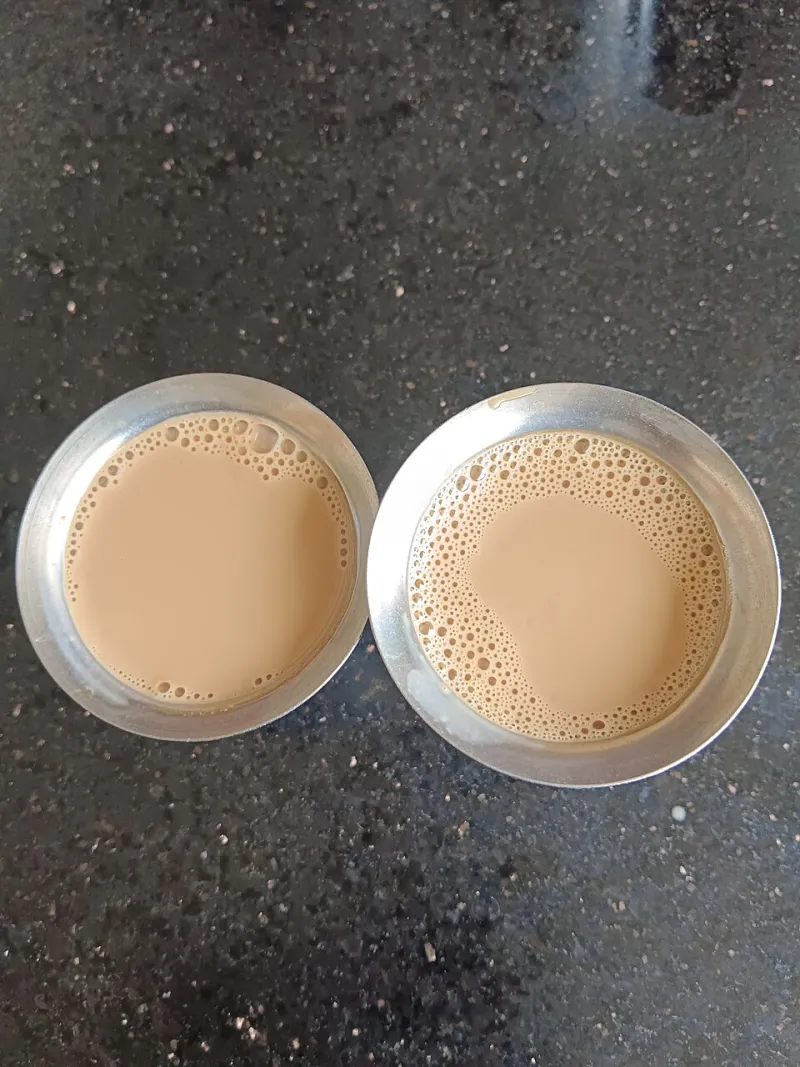
Photo: Darakshanehaluddin, CC0, via Wikimedia Commons
In many UK workplaces, the tea round is a social ritual with its own rhythm. A cup of tea can be a pause, a kindness or simply a way to get through the afternoon. The difficulty is not usually one cup of tea. It is the pattern that builds around it: a biscuit at eleven, a handful of snacks at three, a sweet drink on the desk, and another round before home time. For teeth, that pattern can matter as much as the total amount eaten.
Why frequency matters as much as quantity
Every time we eat or drink something sugary or starchy, bacteria in the mouth produce acid. That acid softens the enamel surface for a period. Saliva then helps to neutralise the acid and repair the early damage, but it needs time to do its job. If another snack or sugary drink arrives before the mouth has recovered, the enamel is challenged again. Over a day, many small eating occasions can mean many acid attacks.
This is why a person who grazes throughout the day may be at greater risk than someone who eats a similar amount in fewer sittings. It is not a reason to feel guilty about every biscuit. It is a reason to think about spacing. Meals are generally better for teeth than constant nibbling, because the mouth has clearer periods to recover between them.
What about tea itself?
Plain tea without sugar is not the main problem. The concern usually comes from what is added and what accompanies it. Sugar, honey, syrups and sweetened plant drinks can all feed the acid-producing process. Sipping a sweetened drink slowly over an hour is more harmful than drinking it relatively quickly, because it extends the time the mouth is exposed.
Biscuits, cakes, dried fruit and crisps are also relevant. They are not only about sugar; starchy foods can be broken down into sugars in the mouth, and sticky foods tend to cling to teeth. Plain biscuits may seem modest, but repeated dunking and nibbling through the day still adds up to frequent exposure. The occasional tea and biscuit is part of normal life. The aim is to avoid making it an all-day habit.
Build a realistic tea-round routine
A few small changes are often easier to sustain than a strict ban. Try to keep sugary snacks to mealtimes rather than spreading them across the working day. If you have a tea round, consider having it with a meal or shortly after one, rather than as a separate grazing moment. Choose unsweetened tea or coffee where possible, and keep water available for thirst between cups.
If you do have a biscuit, eat it in one sitting rather than nibbling it over an hour. Avoid keeping a packet open on the desk where it invites constant picking. After eating, rinse the mouth with water. Chewing sugar-free gum after meals can help stimulate saliva, if it is suitable for you. And try not to brush immediately after acidic food or drink; wait around 30 minutes, because brushing softened enamel too soon can be abrasive.
Swaps that do not feel like punishment
Healthy snacking advice can sound unrealistic if it ignores real hunger and real workplaces. The point is not to buy a trolley of special products. It is to choose foods that are less likely to keep the mouth under constant acid pressure. Cheese, plain yoghurt, nuts, vegetable sticks, oatcakes and plain popcorn are examples that many people find practical. Fruit is nutritious, but frequent grazing on fruit between meals still counts as repeated exposure, so it is better kept to mealtimes where possible.
Drinks matter too. Water is the simplest choice. Milk with a meal is different from sipping a sweetened drink all afternoon. Fizzy drinks, including sugar-free varieties, can be acidic, so frequent sipping is not kind to enamel. If you choose them, keep them to meals and use a straw if appropriate, though straws do not remove all risk.
Signs to mention at your next check-up
You do not need to wait for pain before raising a concern. Mention any new sensitivity to hot, cold or sweet foods, especially if it lingers. Point out chalky white patches, dark spots, grooves that catch food, or a tooth that feels sharp or rough. Bleeding gums, persistent bad breath and food trapping between teeth are also worth discussing.
If a tooth becomes spontaneously painful, keeps you awake, or is associated with swelling, do not wait for a routine appointment. Contact your dental practice for advice. The same applies if you have facial swelling, difficulty swallowing or breathing, or feel unwell with dental pain.
A calmer way to think about snacking
Dental decay is not caused by a single biscuit. It develops when frequent exposure, poor cleaning and other risk factors combine over time. The practical goal is to give your teeth clearer gaps between eating occasions, keep sugary foods to fewer sittings, and maintain good brushing with fluoride toothpaste. At your next appointment, be honest about how often you snack and sip. Your dental team can then offer advice that fits your routine rather than a rule that collapses by Tuesday.
The tea round can stay. With a little spacing and a few sensible defaults, it does not have to become a running battle with your enamel.